
Mobile Rehab provides specialist home physiotherapy in Leatherhead for individuals suffering from lower back pain and nerve-related conditions such as sciatica. Home-based physiotherapy is particularly effective for sciatica rehabilitation as it allows treatment to focus on functional movements that directly trigger symptoms, such as sitting, standing, walking, and bending within the home environment.
This case study outlines a structured rehabilitation programme delivered entirely within the patient’s home in Leatherhead.
Home Physiotherapy in Leatherhead – Sciatica Rehabilitation Case Study
Patient Background
A female patient in her early 40s was referred for private home physiotherapy in Leatherhead due to persistent lower back pain with radiating symptoms into the right leg, consistent with sciatic nerve involvement.
The symptoms had developed gradually over several weeks without a specific traumatic event. The patient reported sharp, shooting pain travelling from the lower back into the gluteal region and down the posterior aspect of the thigh, occasionally extending into the calf.
Pain was significantly aggravated by prolonged sitting, bending forward, and walking longer distances. Sleep was also disturbed due to discomfort when changing positions in bed.
The patient was struggling to maintain normal work and daily activities due to fluctuating pain levels and reduced mobility tolerance.
The primary rehabilitation goals were to reduce nerve irritation, improve mobility, restore functional tolerance for sitting and walking, and support a return to normal daily and occupational activities.

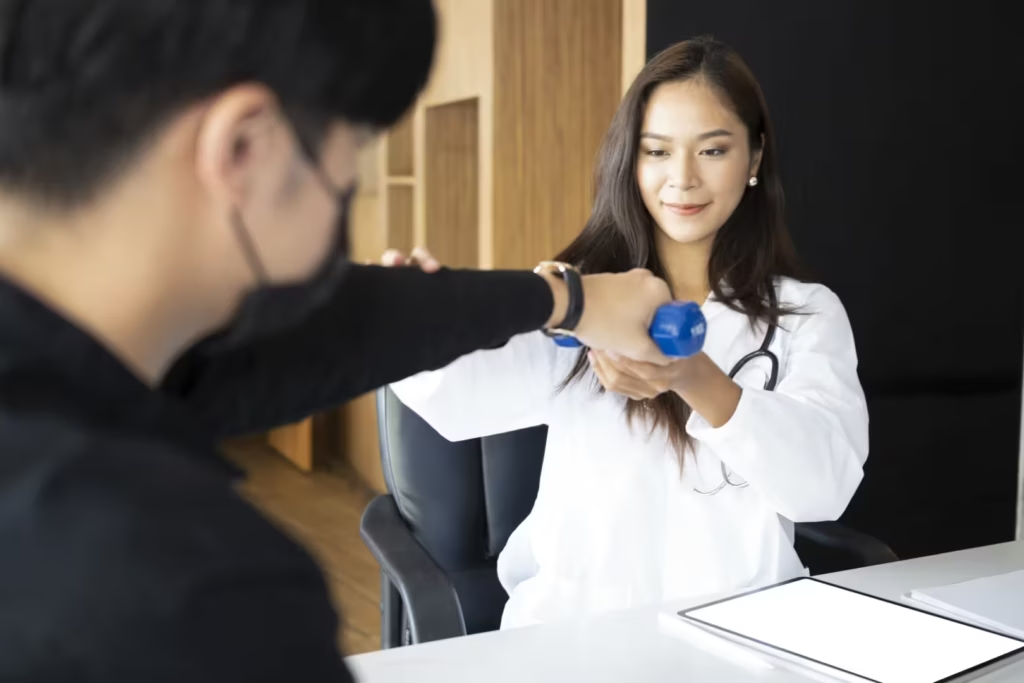
Initial Home Physiotherapy Assessment in Leatherhead
A comprehensive musculoskeletal physiotherapy assessment was completed within the patient’s home in Leatherhead to evaluate symptoms in real functional positions. Assessment included observation of standing posture, lumbar movement patterns, sitting tolerance, walking gait, and neural tension testing.
On assessment, the patient demonstrated reduced lumbar flexion tolerance with reproduction of radiating leg pain during forward bending movements. There was also evidence of neural tension affecting the sciatic nerve, particularly during straight leg raise testing and seated slump positioning.
Sitting posture was identified as a significant aggravating factor, with prolonged seated positions reproducing symptoms within a short period of time. Gait analysis revealed a guarded walking pattern with reduced stride length and avoidance of full hip extension due to fear of symptom aggravation.
Treatment Plan – Home-Based Sciatica Rehabilitation Programme
A structured rehabilitation programme was implemented within the home environment, focusing on pain reduction, nerve mobility, and functional restoration.
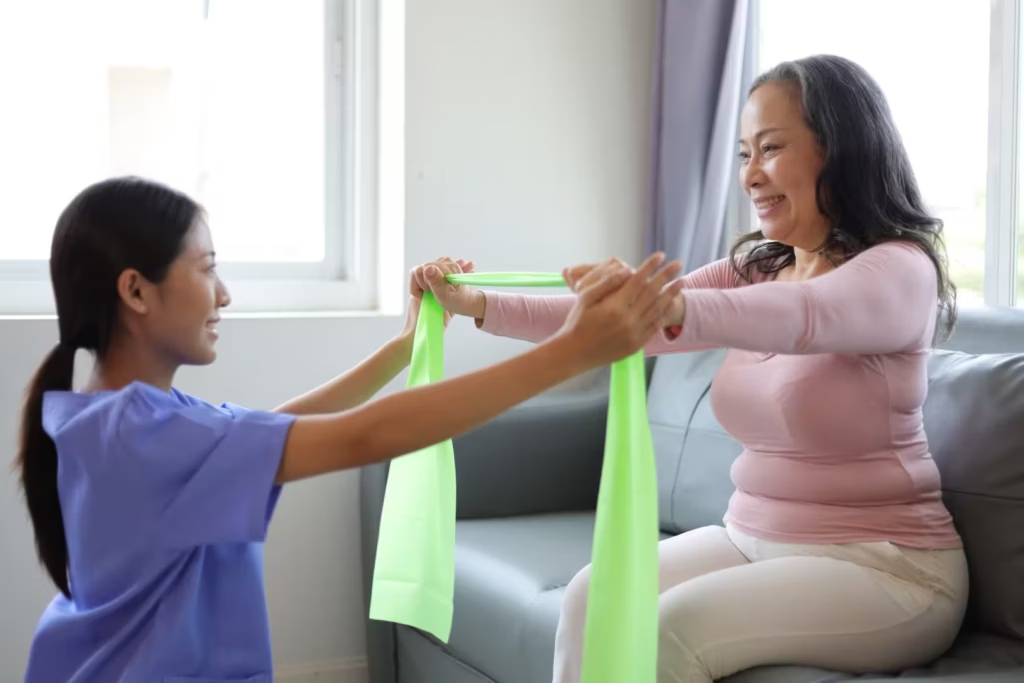
Pain Management and Activity Modification
Initial treatment focused on reducing nerve irritation and managing symptom aggravation. Education was provided regarding positions and movements that increase sciatic nerve sensitivity, particularly prolonged sitting and repeated forward flexion.
Activity modification strategies were introduced to reduce symptom flare-ups while maintaining safe levels of movement.

Neural Mobility and Sciatic Nerve Gliding
Gentle neural mobilisation techniques were introduced to improve sciatic nerve mobility and reduce sensitivity.
These included controlled nerve gliding exercises performed within symptom tolerance, ensuring no increase in radiating pain during execution.
Exercises were progressed gradually based on symptom response and recovery tolerance.
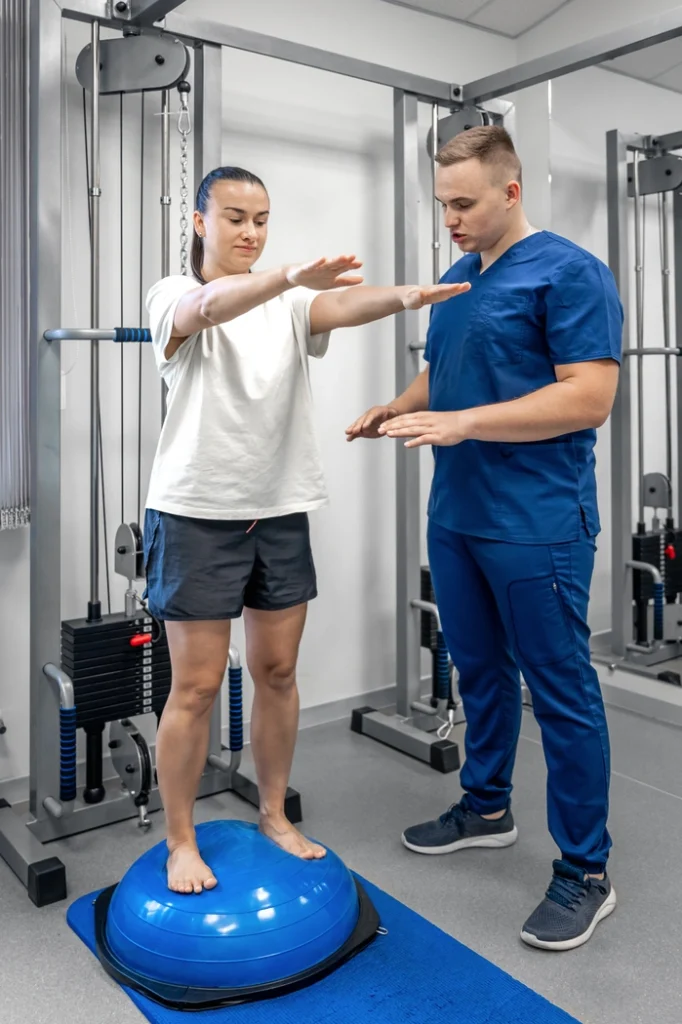
Lumbar Spine Mobility and Control
Restoration of lumbar spine mobility was a key component of rehabilitation. Controlled movement exercises were introduced to improve flexion, extension, and rotational control of the lower back.
Emphasis was placed on pain-free range of motion and avoiding protective stiffness patterns that can prolong symptoms.
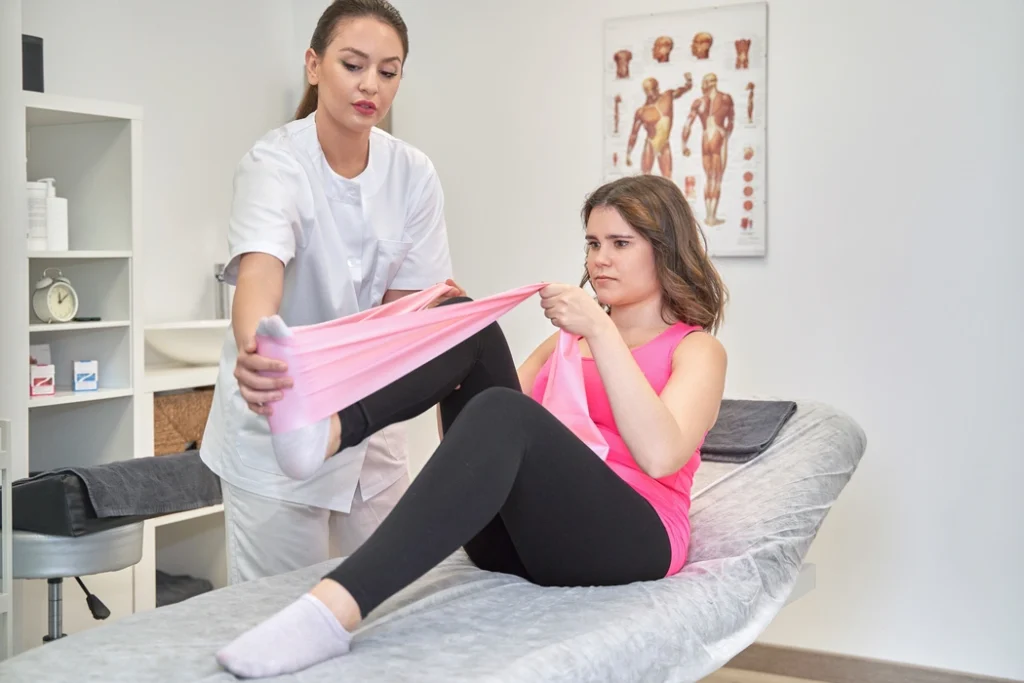
Hip Strengthening and Movement Support
Hip strengthening exercises were introduced to improve lower limb support and reduce load on the lumbar spine during functional activities.
This included controlled strengthening of the gluteal musculature and stabilising muscles to improve pelvic control during movement.
Postural Education and Functional Retraining
Education was provided regarding optimal sitting posture, ergonomic adjustments within the home environment, and strategies for managing prolonged sitting periods.
Functional retraining focused on improving movement patterns during everyday activities such as bending, lifting, and walking.
Progress and Outcomes
Over the course of rehabilitation, the patient demonstrated steady improvement in symptom control and functional capacity.
Radiating leg pain reduced significantly in both frequency and intensity. Sitting tolerance improved gradually, allowing for longer periods of comfortable sitting without symptom exacerbation.
Walking tolerance increased, with improved stride length and reduced guarding during movement.
Overall functional ability improved, allowing the patient to return to normal daily and work-related activities with minimal discomfort.
Clinical Summary
This case demonstrates the effectiveness of home physiotherapy in Leatherhead for the management of sciatica and nerve-related lower back pain. Delivering rehabilitation within the home environment allowed treatment to be directly applied to functional triggers of symptoms, improving real-world outcomes.
Home-based physiotherapy is particularly effective for sciatica due to the importance of posture, movement control, and graded exposure to functional activity.
Recognised Health Insurance Providers


Our Registrations


