
Mobile Rehab provides specialist home physiotherapy in Maidenhead for individuals at increased risk of falls, reduced balance confidence, and functional mobility decline. Home-based falls prevention physiotherapy is particularly effective as it allows assessment and treatment to take place in the patient’s actual living environment, where falls risk is often highest.
This case study outlines a structured falls prevention rehabilitation programme delivered entirely within the patient’s home in Maidenhead.
Home Physiotherapy in Maidenhead – Falls Prevention Rehabilitation Case Study
Patient Background
A male patient in his late 70s was referred for private home physiotherapy in Maidenhead following a series of recurrent falls over a six-month period. These falls had occurred both inside the home and in the community and were beginning to significantly affect his confidence, independence, and willingness to mobilise without assistance.
The patient reported increasing fear of falling, particularly during walking on uneven surfaces, turning movements, and when transitioning from sitting to standing. As a result, he had become more cautious in his movements and had begun reducing his overall activity levels.
This reduction in activity had contributed to further deconditioning, reduced balance confidence, and increased reliance on furniture and household objects for support during mobility.
The primary rehabilitation goals were to reduce falls risk, improve balance confidence, restore safe mobility, and rebuild independence in both indoor and outdoor environments.


Initial Home Physiotherapy Assessment in Maidenhead
A comprehensive falls risk and functional physiotherapy assessment was completed within the patient’s home in Maidenhead.
The assessment focused on identifying key contributors to falls risk in real-life conditions, including walking pattern, balance reactions, transfer ability, and movement safety within confined home spaces.
On assessment, the patient demonstrated reduced dynamic balance control, particularly during turning and direction changes. There was a clear reduction in step length and a cautious gait pattern characterised by reduced speed and increased reliance on surrounding furniture for support.
Sit-to-stand transfers were slow and required multiple attempts, with poor forward weight shift and reduced lower limb power contributing to instability during standing transitions.
Balance reactions were delayed, particularly when responding to small perturbations or changes in direction, increasing overall falls risk.
Treatment Plan – Home-Based Falls Prevention Programme
A structured and progressive falls prevention programme was implemented within the home environment, focusing on strength, balance, confidence, and functional mobility.
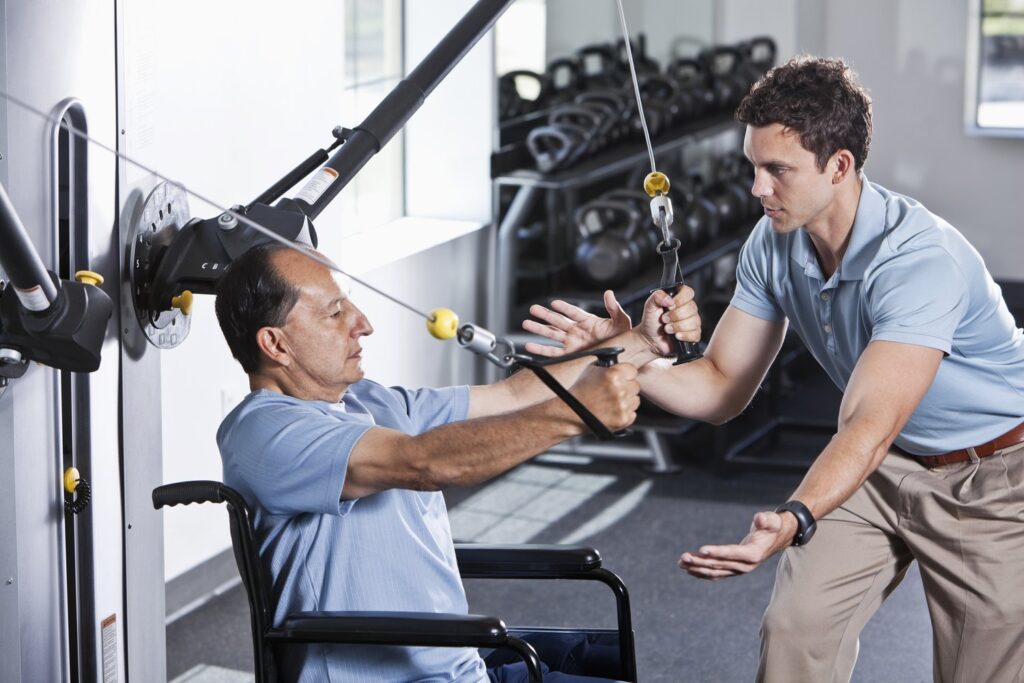
Balance Retraining and Postural Stability
Balance training was a central focus of rehabilitation. This began with static standing control and progressed to dynamic balance activities involving controlled weight shifting, reaching outside the base of support, and maintaining stability during functional tasks.
Exercises were integrated into daily routines to ensure repetition and real-world relevance rather than isolated clinical drills.

Gait Re-Education and Walking Confidence
Walking retraining focused on improving step length, walking speed, and overall gait symmetry. The patient was encouraged to reduce reliance on furniture and external support where safe to do so.
Training was completed within real home environments, including narrow corridors, doorways, and transitions between rooms, to replicate real-world mobility challenges.
Turning control was specifically addressed due to its strong association with previous falls episodes.
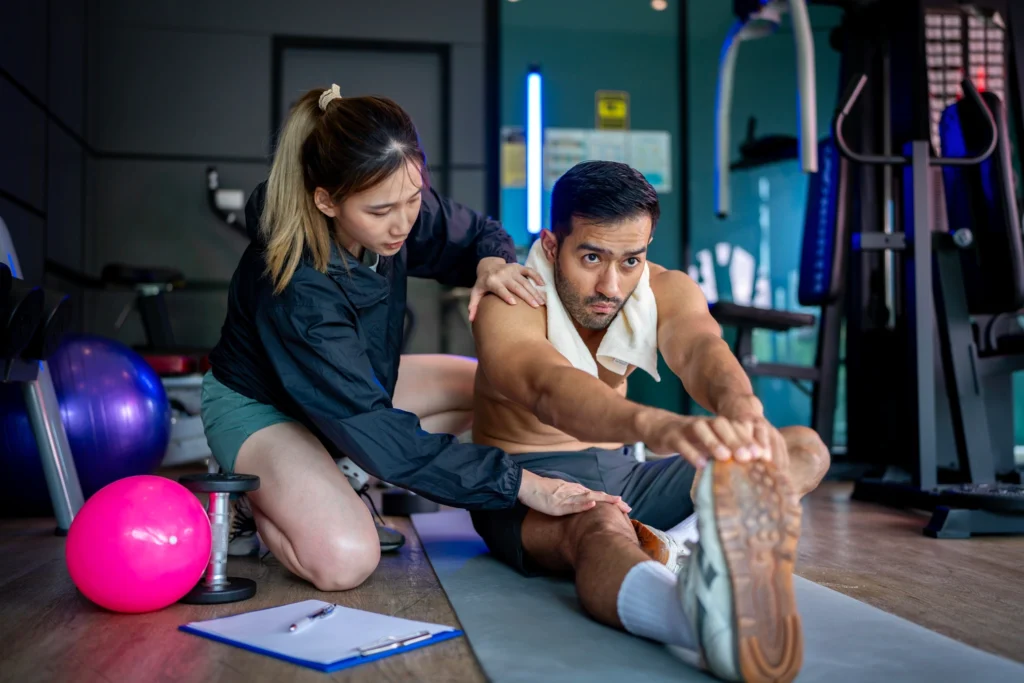
Strengthening for Falls Prevention
Lower limb strengthening exercises were introduced to improve functional stability, particularly targeting the quadriceps and gluteal muscle groups.
Sit-to-stand training was used as a key functional strengthening exercise, progressively reducing upper limb assistance and improving control during standing transitions.
Strength gains were directly linked to improved balance confidence and reduced instability during daily activities.

Functional Task-Based Training
Rehabilitation was closely integrated into functional tasks within the home environment. This included walking between rooms, carrying out kitchen-based activities, and practising safe transfers from different seating surfaces.
This approach ensured that improvements in strength and balance were directly applied to meaningful daily activities.

Confidence Rebuilding and Falls Education
A significant component of rehabilitation involved addressing fear of falling, which had become a major limiting factor in the patient’s mobility.
Education was provided on safe movement strategies, pacing techniques, and environmental awareness to reduce perceived and actual falls risk.
Gradual exposure to more challenging movements was used to rebuild confidence in a controlled and progressive manner.
Progress and Outcomes
Over the course of rehabilitation, the patient demonstrated significant improvements in balance control, mobility confidence, and functional independence.
Walking became more stable, with improved step length and reduced reliance on furniture for support. Sit-to-stand transfers became more controlled and required less effort.
Fear of falling reduced considerably, resulting in increased activity levels and greater willingness to engage in both indoor and outdoor mobility tasks.
Importantly, no further falls occurred during the rehabilitation period.
Clinical Summary
This case demonstrates the effectiveness of home physiotherapy in Maidenhead for falls prevention and balance rehabilitation. Delivering physiotherapy within the home environment allowed for direct assessment and treatment of real-world falls risk factors, resulting in improved safety and independence.
Home-based falls prevention physiotherapy is highly effective in older adults where balance impairment, reduced strength, and fear of falling are key limiting factors.
Recognised Health Insurance Providers


Our Registrations


