
Mobile Rehab provides specialist home physiotherapy in Windsor for individuals recovering from orthopaedic surgery, including total hip replacement. Home-based rehabilitation following hip surgery is particularly effective as it allows recovery to be guided within the patient’s real environment, supporting safe walking, transfers, and return to independence in daily activities.
This case study outlines a structured post-operative hip replacement rehabilitation programme delivered entirely within the patient’s home in Windsor.
Home Physiotherapy in Windsor – Hip Replacement Rehabilitation Case Study
Patient Background
A female patient in her early 80s was referred for private home physiotherapy in Windsor following a total hip replacement procedure. The surgery had been performed due to long-standing osteoarthritis and progressive functional decline, which had significantly impacted mobility and quality of life.
Following discharge from hospital, the patient presented with expected post-operative pain, reduced hip range of motion, and marked difficulty with walking and functional transfers. She was reliant on a walking frame for all mobility and required assistance for certain daily activities, particularly those involving standing, bending, or stair negotiation.
The primary rehabilitation goals were to restore safe independent mobility, improve hip strength and range of motion, reduce post-operative pain, and support a return to normal daily activities within the home.

Initial Home Physiotherapy Assessment in Windsor
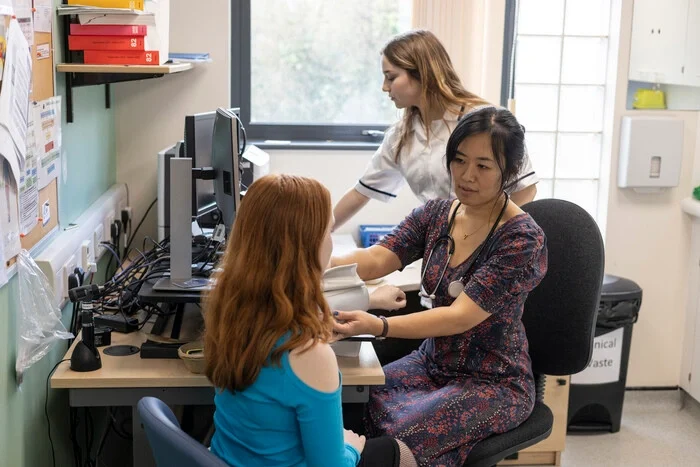
A comprehensive post-operative physiotherapy assessment was completed in the patient’s home in Windsor shortly after discharge.
The assessment focused on mobility within the home environment, including walking distance tolerance, transfer ability, stair navigation (where applicable), and general functional independence.
On assessment, the patient demonstrated reduced weight-bearing through the operated limb, a cautious antalgic gait pattern, and reliance on upper limb support during standing and walking. Hip range of motion was restricted due to both post-surgical stiffness and pain inhibition.
Transfers such as sit-to-stand required significant effort, with the patient using upper limbs extensively to compensate for reduced lower limb strength and confidence.
Overall, the patient presented with expected post-operative limitations but required structured rehabilitation to prevent secondary complications such as stiffness, weakness, and prolonged dependency on walking aids.
Treatment Plan – Home-Based Hip Replacement Rehabilitation
A progressive rehabilitation programme was implemented within the home environment, focusing on safe recovery, gradual load progression, and functional independence.
Early Post-Operative Mobility and Pain Management
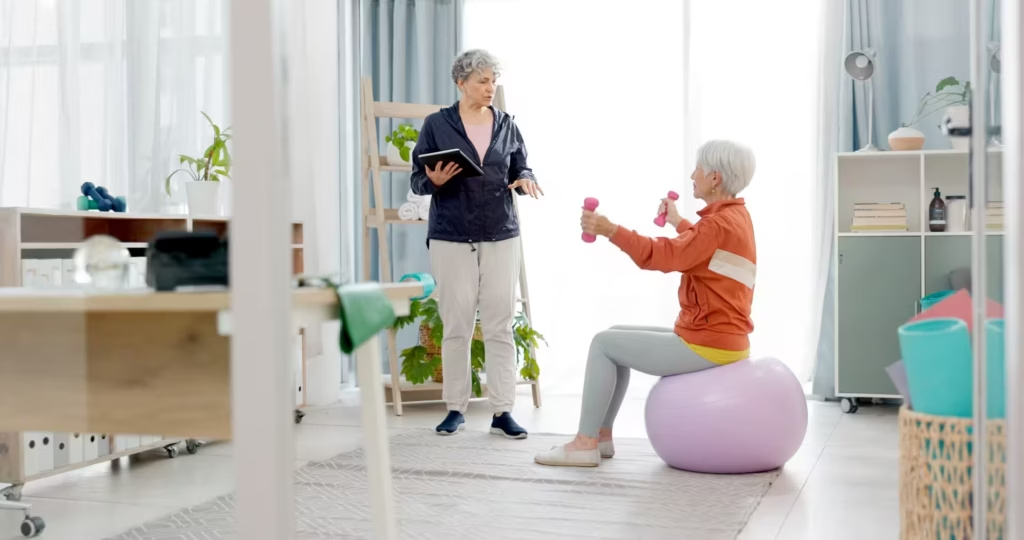
Initial rehabilitation focused on safe mobilisation and pain control. Education was provided on post-operative precautions, safe movement strategies, and appropriate use of walking aids.
Gentle guided mobility was introduced early to prevent stiffness and promote circulation, while ensuring that pain levels remained controlled and recovery was not over-stressed.

Gait Re-Education and Walking Progression
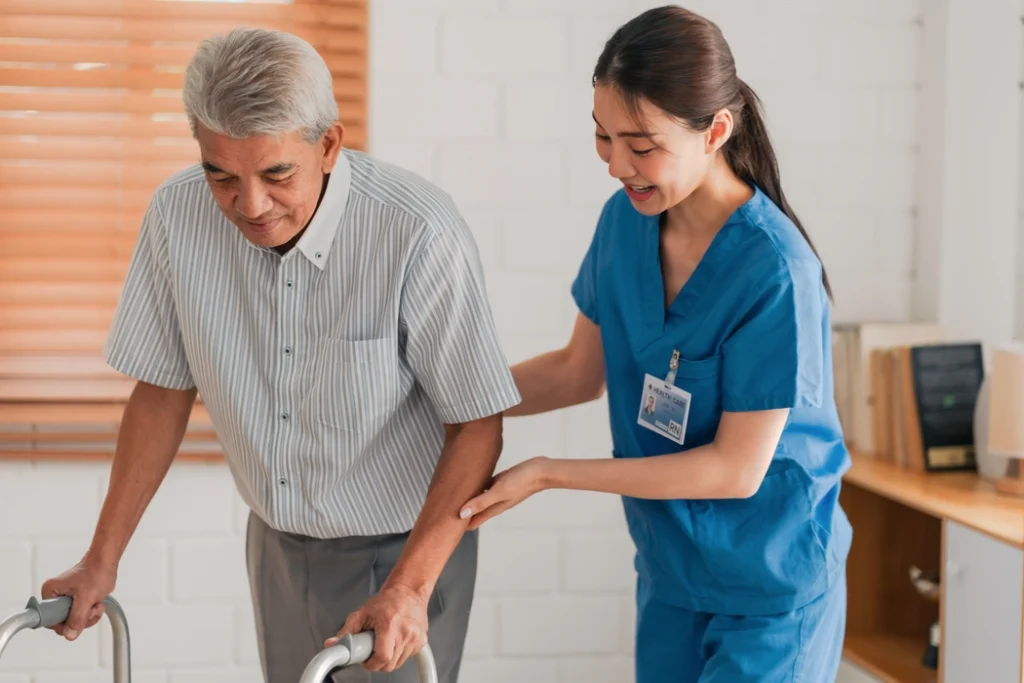
Walking rehabilitation began with the use of a walking frame to ensure safety and stability. Focus was placed on improving step symmetry, encouraging even weight distribution through both lower limbs, and reducing reliance on upper limb support.
As confidence improved, walking practice was progressed within the home environment, gradually increasing distance and reducing dependency on the frame where appropriate.
Emphasis was placed on normalising gait pattern and preventing compensatory movement habits.

Hip Mobility and Range of Motion Restoration
Restoring hip movement was a key component of rehabilitation. Gentle mobility exercises were introduced, focusing on controlled hip flexion, extension, and abduction within safe and pain-free ranges.
Exercises were progressed gradually to prevent stiffness while respecting post-operative healing timelines.

Strengthening and Functional Control
Progressive strengthening exercises were introduced to improve hip and lower limb stability. These included sit-to-stand training, supported squats, and functional weight-bearing activities.
Emphasis was placed on re-establishing confidence in the operated limb during load-bearing tasks, particularly during transfers and standing activities.

Balance and Falls Prevention Training
Balance training was integrated early to reduce falls risk and improve confidence during standing and movement tasks.
Exercises included static standing stability work, controlled weight shifting, and turning practice within confined home spaces.
These exercises were closely linked to functional tasks such as kitchen movement and bathroom transfers.
Functional Independence Training
Rehabilitation was closely aligned with real-life functional tasks within the home. This included practice with dressing, washing, kitchen-based tasks, and safe navigation of household environments.
The goal was to ensure that improvements in strength and mobility translated directly into improved independence in daily life.
Progress and Outcomes
Over the course of rehabilitation, the patient demonstrated measurable improvements in mobility and confidence.
Freezing episodes reduced in both frequency and severity, particularly during turning and transitional movements. Movement initiation became more consistent, with improved step length and reduced hesitation.
The patient demonstrated increased confidence when walking within the home and reduced reliance on furniture for support.
Overall independence with daily mobility tasks improved, allowing for safer and more efficient movement throughout the home.
Clinical Summary
This case demonstrates the effectiveness of home physiotherapy in Wokingham for Parkinson’s disease. Delivering rehabilitation within the patient’s real environment allowed targeted treatment of freezing triggers and movement difficulties in the exact situations where they occur.
Home-based Parkinson’s physiotherapy is particularly effective due to the importance of repetition, cueing strategies, and functional movement retraining in real-world environments.
Recognised Health Insurance Providers


Our Registrations


