
Mobile Rehab provides specialist home physiotherapy in Ascot for individuals experiencing frailty, reduced mobility, and age-related physical decline. Home-based physiotherapy is particularly effective for frail patients as it allows rehabilitation to be delivered safely within the home environment, where functional limitations are most evident and meaningful improvement can be achieved through daily task integration.
This case study outlines a structured frailty rehabilitation programme delivered entirely within the patient’s home in Ascot.
Home Physiotherapy in Ascot – Frailty and Mobility Rehabilitation Case Study
Patient Background
A female patient in her early 80s was referred for private home physiotherapy in Ascot due to progressive frailty and a gradual decline in mobility over the preceding months.
The patient reported increasing difficulty with everyday activities, including getting out of chairs, walking short distances within the home, and completing basic household tasks. She described a general feeling of weakness, reduced stamina, and increasing reliance on furniture and support surfaces for stability during movement.
There was also a growing concern from family members regarding reduced confidence, increased instability, and a higher perceived risk of falls.
The primary rehabilitation goals were to improve functional strength, enhance balance, reduce frailty-related limitations, and restore safe independence within the home environment.

Initial Home Physiotherapy Assessment in Ascot
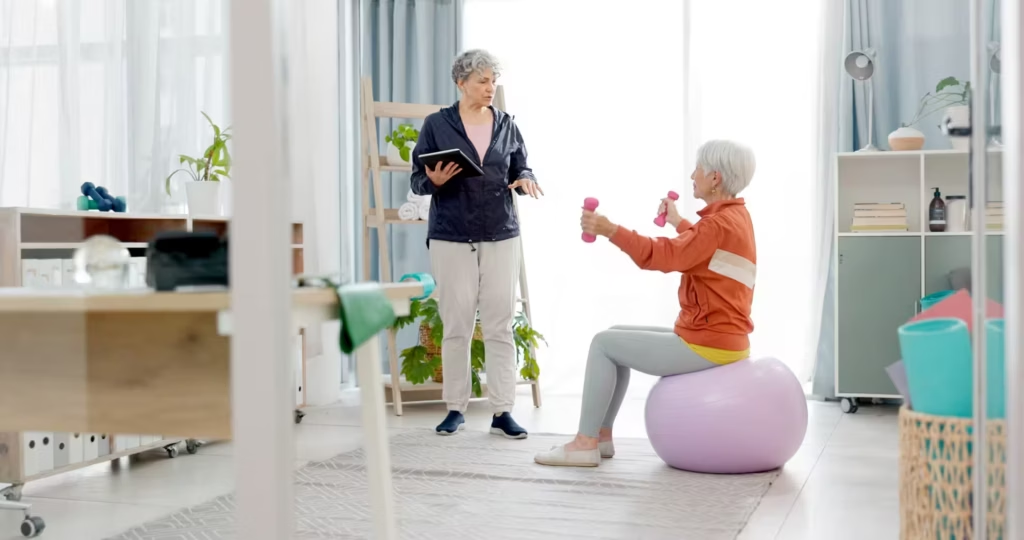
A comprehensive frailty-focused physiotherapy assessment was completed within the patient’s home in Ascot to evaluate mobility, strength, balance, and functional capacity in a real-world setting.
Assessment revealed marked global deconditioning with particular weakness in the lower limbs, especially affecting the quadriceps and hip stabilisers. This resulted in difficulty rising from chairs without using upper limb assistance and reduced control during standing transitions.
Gait analysis demonstrated a slow, cautious walking pattern with reduced step length, reduced foot clearance, and increased reliance on surrounding furniture for support. The patient displayed reduced confidence when moving independently, particularly in confined spaces such as hallways and the kitchen.
Static balance was limited, with visible instability during weight shifting and turning movements. Fatigue was also a significant limiting factor, with reduced tolerance for prolonged standing or walking activity.
Treatment Plan – Home-Based Frailty Rehabilitation Programme
A structured and progressive rehabilitation programme was implemented within the home environment, focusing on restoring functional strength, improving balance, and rebuilding confidence in movement.

Functional Strength Training
Rehabilitation initially focused on rebuilding functional lower limb strength through task-based exercise rather than isolated gym-style strengthening. Sit-to-stand training was used as a primary exercise, beginning with higher chair surfaces and gradually progressing to lower seating as strength improved. Emphasis was placed on controlled movement, symmetrical weight distribution, and reducing reliance on upper limb assistance.
Additional functional strengthening included repeated stepping tasks and controlled weight-bearing activities designed to improve stability during daily movement.
Balance and Postural Control Training
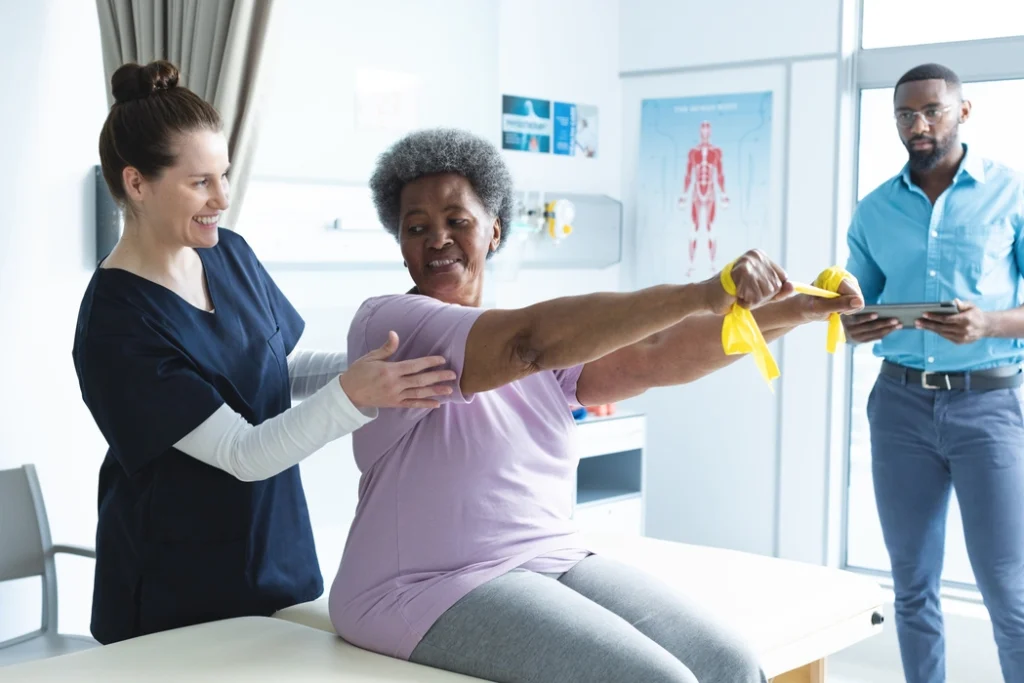
Balance retraining was introduced early and progressed gradually based on tolerance. Initial work focused on static standing stability, progressing to controlled weight shifts and functional reaching tasks.
Exercises were integrated into everyday activities such as kitchen-based movement and object handling to improve relevance and repetition.
Particular focus was placed on improving stability during transitional movements such as turning, which was identified as a high-risk activity.
Gait Re-Education and Mobility Confidence
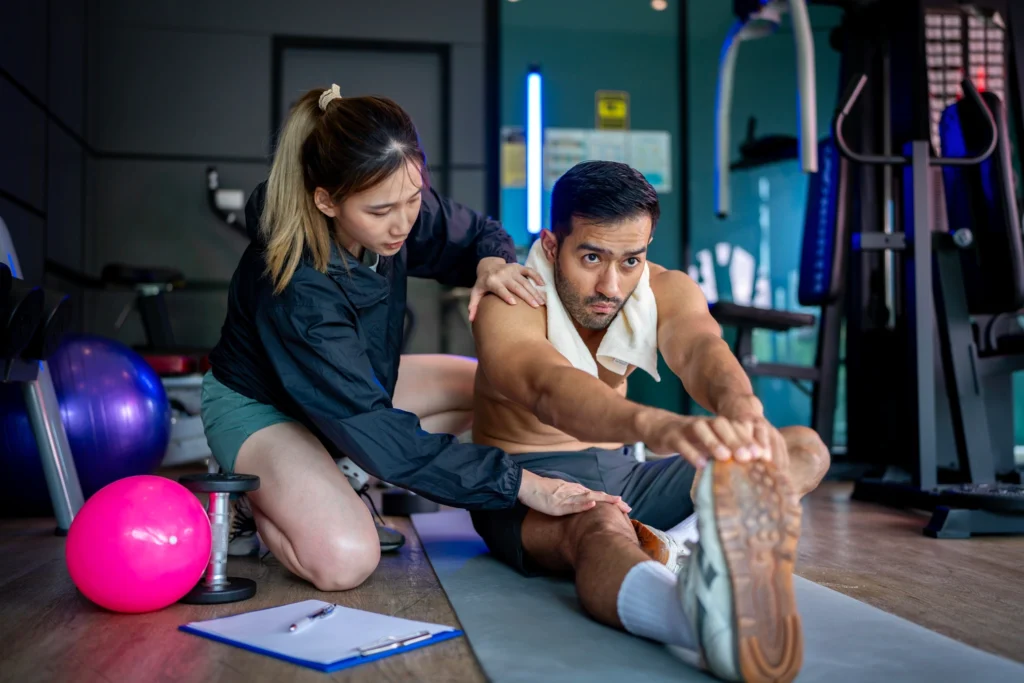
Walking rehabilitation focused on improving step length, posture, and overall walking confidence within the home environment. The patient was encouraged to gradually reduce reliance on furniture for support, with walking practice completed in real-life spaces such as hallways, bedrooms, and kitchen areas.
Training also addressed safe turning techniques and improved control during directional changes.

Fatigue Management and Activity Pacing
Given the patient’s frailty and reduced endurance, pacing strategies were incorporated into rehabilitation. This included structured rest breaks, energy conservation techniques, and education on balancing activity levels throughout the day to avoid overexertion.
The aim was to gradually increase overall activity tolerance without triggering excessive fatigue or reduced participation.
Falls Prevention and Confidence Building
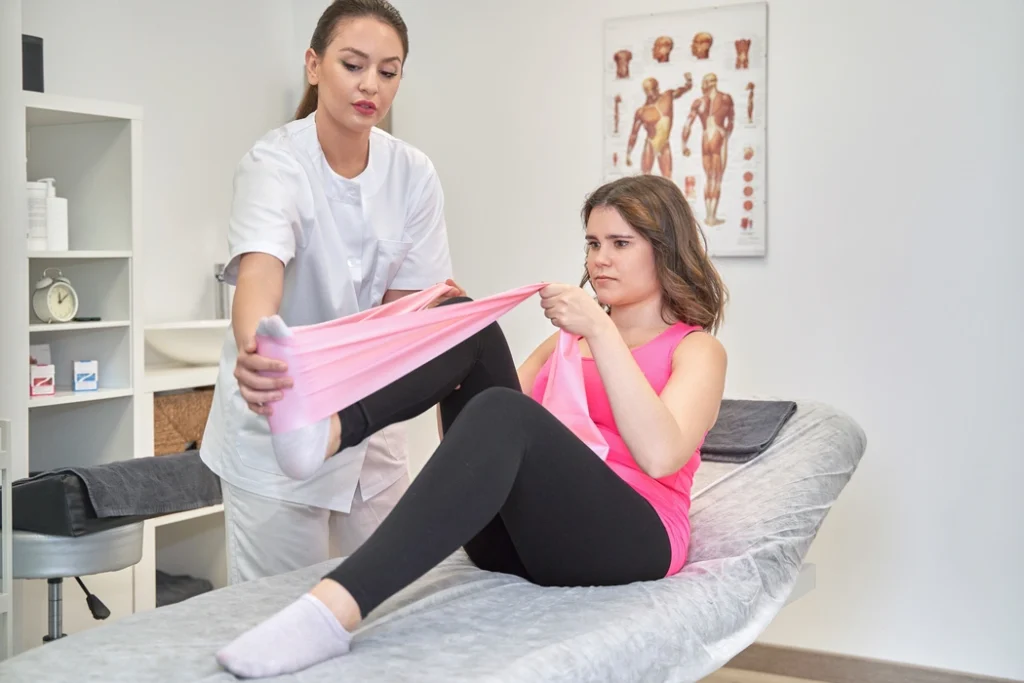
A key component of rehabilitation involved reducing fear of falling and rebuilding confidence in movement. Education was provided on safe movement strategies, environmental awareness, and appropriate use of support when needed.
Gradual exposure to more challenging mobility tasks was used to improve confidence in a controlled and progressive manner.
Progress and Outcomes
Over the course of rehabilitation, the patient demonstrated steady improvements in strength, balance, and functional independence.
Sit-to-stand ability improved significantly, with reduced reliance on upper limb support and improved control during standing transitions. Walking ability also improved, with increased confidence and reduced dependence on furniture for support.
Fatigue levels became more manageable through pacing strategies, allowing for increased participation in daily activities.
Overall independence within the home environment improved, with the patient demonstrating greater confidence and reduced perceived risk of falling.
Clinical Summary
This case demonstrates the effectiveness of home physiotherapy in Ascot for managing frailty and age-related functional decline. Delivering rehabilitation within the home environment allowed for highly functional, task-specific training that directly addressed real-life mobility challenges.
Home-based physiotherapy is particularly effective in frail older adults, where strength, balance, confidence, and endurance must all be addressed simultaneously in a safe and progressive manner.
Recognised Health Insurance Providers


Our Registrations


